Arctic Blue Chiffon Hijab
₨ 1,250.00In Stock
- Type: Hijab
- Fabric: Chiffon
- Color: blue
- simple non slip blue sophisticated Chiffon hijab
Select options
This product has multiple variants. The options may be chosen on the product page
Showing all 8 results

In Stock

In Stock
In Stock

In Stock
Type: Hijab
Fabric: Chiffon
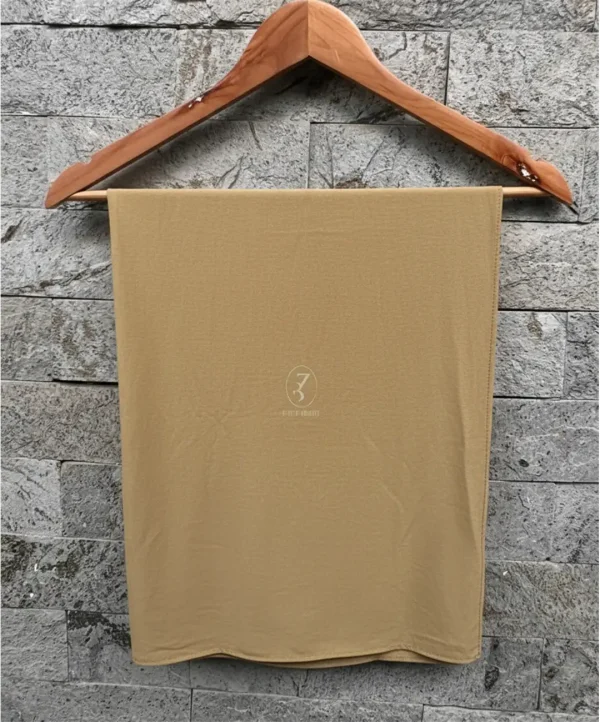
Color: Dark Brown
Simple non slip Dark brown hijab (chocolate dark brown)

In Stock

In Stock

In Stock

In Stock
-----------------
-----------------
The purpose of the Hijab is the self-protection of women to keep them from attracting unwanted attention, to make it possible for their virtue, value, and intelligence to be appreciated without the interference of their physical appearance, and to allow the most consistent practice of Islam for them to the maximum degree.
Currently trendy hijab fashion is a mix of contemporary and traditional. In this day and age, women have the headwraps and hijabs in a variety of styles that are mixed to give a look that is stylish, relaxed and simply classy. With themed styles of headscarves, a wearer can showcase and express their unique style and individuality.
A lot of headwrap users appreciate the addition of more layers, which gives a modern look and provides beauty and elegance to the final look. Users can explore different designs and combinations that include various colors and textures when using more layers.
A style turban is another variation of a headwrap. Having a turban hijab is fashionable because it is also modern. It is a wrap style and made with less fabric. It is also considered modern because it is made with drained and other light materials.
This style of Hijab is worn by some Middle Eastern women. It has a long rectangular scarf which is diagonally placed on the head and then thrown back over the shoulders and wrapped around the neck.
This Hijab is one of the most popular styles among busy ladies. It is made up of a scarf and a fitted cap, which is comfortable and easy to wear. The Hijab itself has also become a headpiece and is worn with some trendy accessories designed for the Hijab, including pins, brooches and headbands. Hijab accessories also come in different styles and colors. This made the Hijab a perfect outfit to wear.
What you think may not mean much, but the fabric chosen for the Hijab highly determines how comfortable wearing the Hijab will be, how the Hijab will look, and how long the Hijab will last. There are many different types used most frequently in the hijabs, and like anything else in life, they have pros and cons. Here are the four most common, which are used, and we try to explain what they are used for in the hijab industry.
Its gleaming shimmer finish makes it a favorable fabric for headscarves for hijabis attending events of greater significance. Satin hijabs, as a result, are more luxurious as well as sophisticated, serving as the ideal fabric for headscarves needed for events of greater significance, such as weddings. Pleasant touch, comfort, ease of wearing, soft touch. Ease of wearing is unlike any other hijab fabric that is available in the market. It also has the ability to stay wrinkle-free, making the Hijab look orderly, eliciting a nicely put-together look. In addition, it is great for the cases of washing as it does not retain the wrinkles other fabrics do.
Wearing a hijab is not only a clothing item that you choose. It represents modesty, self-identity, and a connection to God. It is a very important piece of clothing for women of the Muslim faith all over the world. Other items of clothing, like the Hijab, the abaya, and the khimar, have all modernized to become a trendy part of modest fashion. These clothing items are very versatile and can be designed in many different ways to fit the using different types of hijab accessories like matching pins or magnets, matching pattern abayas or shrugs too, Different weather and different periods of time call for different fabrics like chiffon, Georgette, satin, and crepe. The Hijab, in modern modest fashion, offers a very feminine spirit of empowerment that shows the world you are different while abiding by your beliefs of being modest and covering the body.
EXCELLENTTrustindex verifies that the original source of the review is Google. Posted onTrustindex verifies that the original source of the review is Google. Posted onTrustindex verifies that the original source of the review is Google. Posted onTrustindex verifies that the original source of the review is Google. Posted onTrustindex verifies that the original source of the review is Google. I recently purchased an abaya and was highly impressed with both the product quality and service. The fabric and stitching are excellent, and the pricing is very reasonable. The seller is professional, polite, and welcoming. If accompanied by a lady, you can also visit her home to view the collection in person — she offers a great variety of designs with outstanding value for money. Highly recommended for anyone looking for quality abayas at fair prices.Posted onTrustindex verifies that the original source of the review is Google. Posted onTrustindex verifies that the original source of the review is Google. I ordered online in Australia and I’m so impressed with the material having a beautiful texture, the quality is amazing, and delivery was super quick. Highly recommended.Posted onTrustindex verifies that the original source of the review is Google. Absolutely loved the abaya! 🌸 The quality is top-notch — soft, comfortable, and exactly as shown. Delivery was smooth and on time. The seller's behavior was very polite and professional. Highly recommended! Will definitely shop again 💯✨Posted onTrustindex verifies that the original source of the review is Google. Truly amazed and in love with the quality and designs. Would have never trusted only shopping of Abayas and Hijabs if it wasn’t Bint-e-Zahoor Abayas. I’m so satisfied with their products.Posted onTrustindex verifies that the original source of the review is Google. I asked them to make Irani chaadr and it was of very good quality and fabric was very comfortable and soft. They also included veils complementary with the chaadrs. Highly recommended if you want to get daily usable abayas as well. ThanksVerified by TrustindexTrustindex verified badge is the Universal Symbol of Trust. Only the greatest companies can get the verified badge who has a review score above 4.5, based on customer reviews over the past 12 months. Read more
©2025 Bint-e-Zahoor Abaya
WhatsApp us